
Transform Your Workspace with Ergonomic Excellence
Discover how properly designed furniture, strategic lighting, and thoughtful equipment placement create a workspace that supports your comfort, productivity, and long-term wellness. Learn the science and practice of building a home office that works for you.
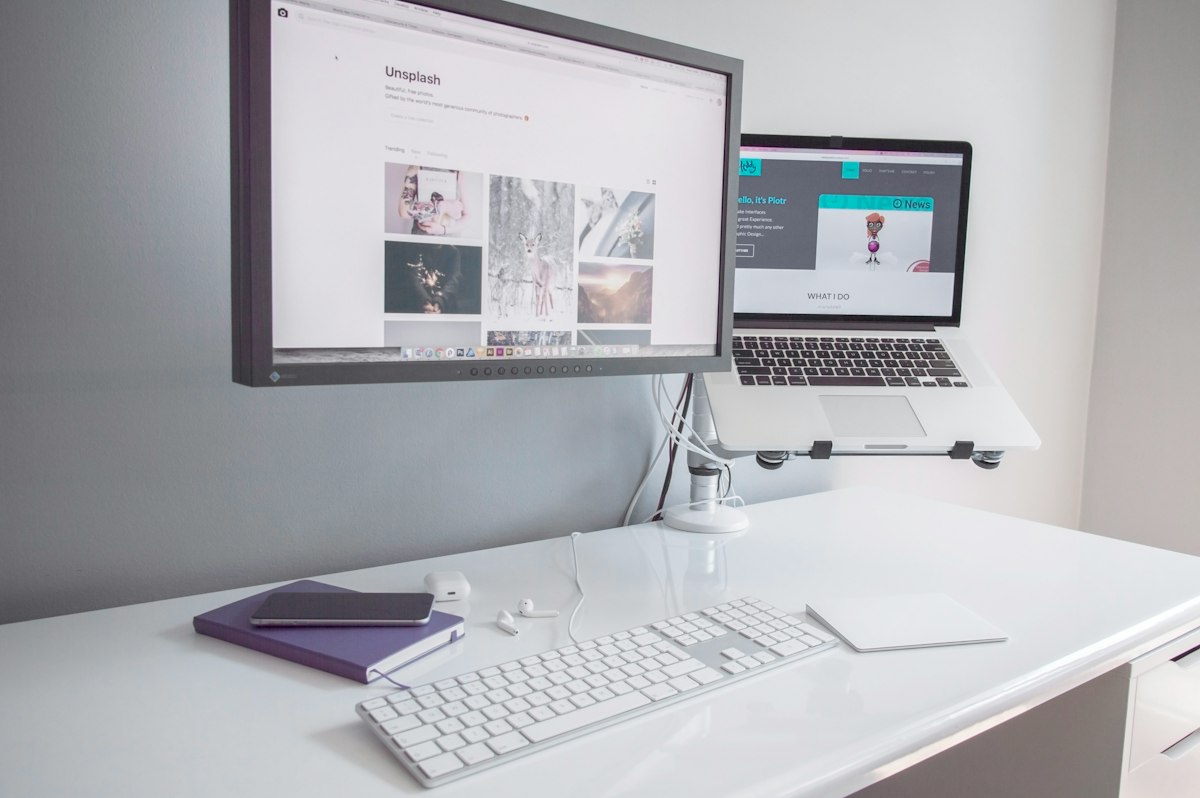
Why Ergonomic Setup Matters
The foundation of a productive and healthy remote work environment
Posture Support
Proper seating alignment reduces strain on your spine and neck during long work sessions.
Eye Comfort
Strategic lighting minimizes eye strain and fatigue, supporting clear vision throughout the day.
Mental Focus
A well-organized workspace with proper ergonomics enhances concentration and reduces distractions.
Long-Term Wellness
Investing in ergonomic design prevents chronic discomfort and supports sustainable working habits.
Office Setups Reimagined
Inspiring examples of ergonomic workspace design
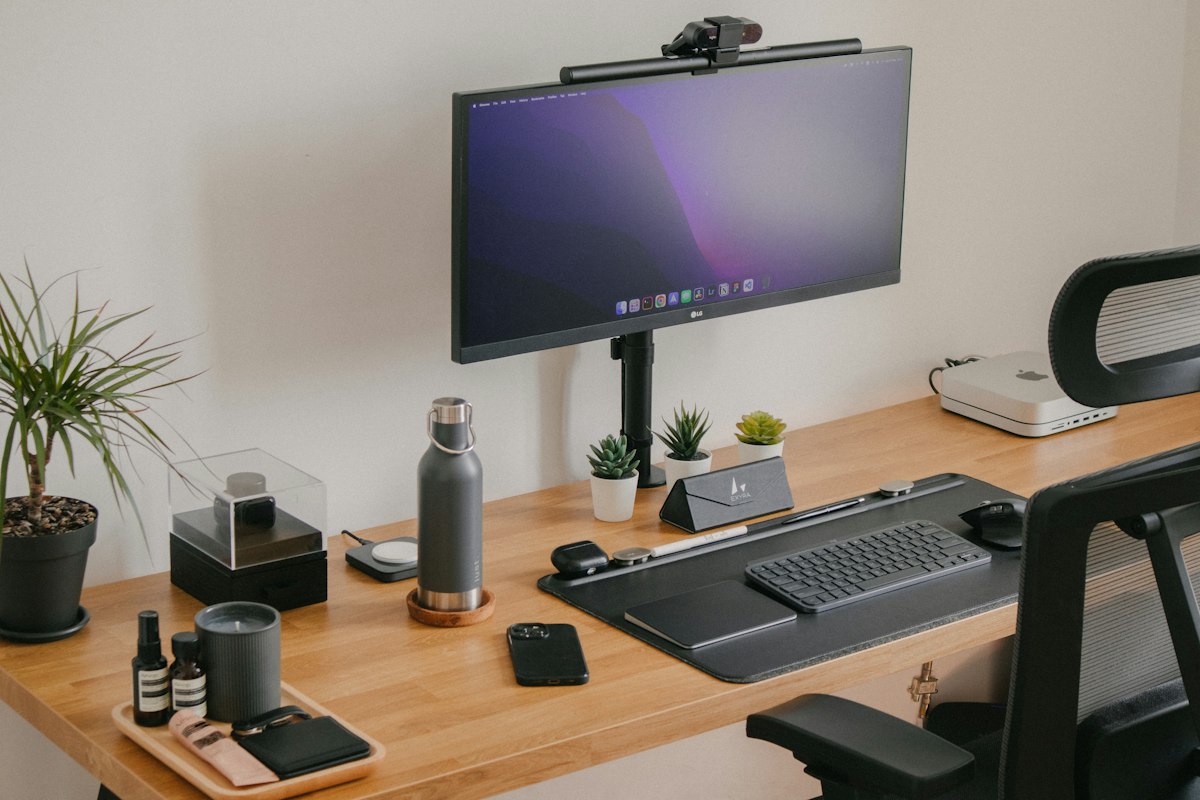
Minimalist Workspace
Clean design with natural light, height-adjustable desk, and organized storage for maximum focus and comfort.
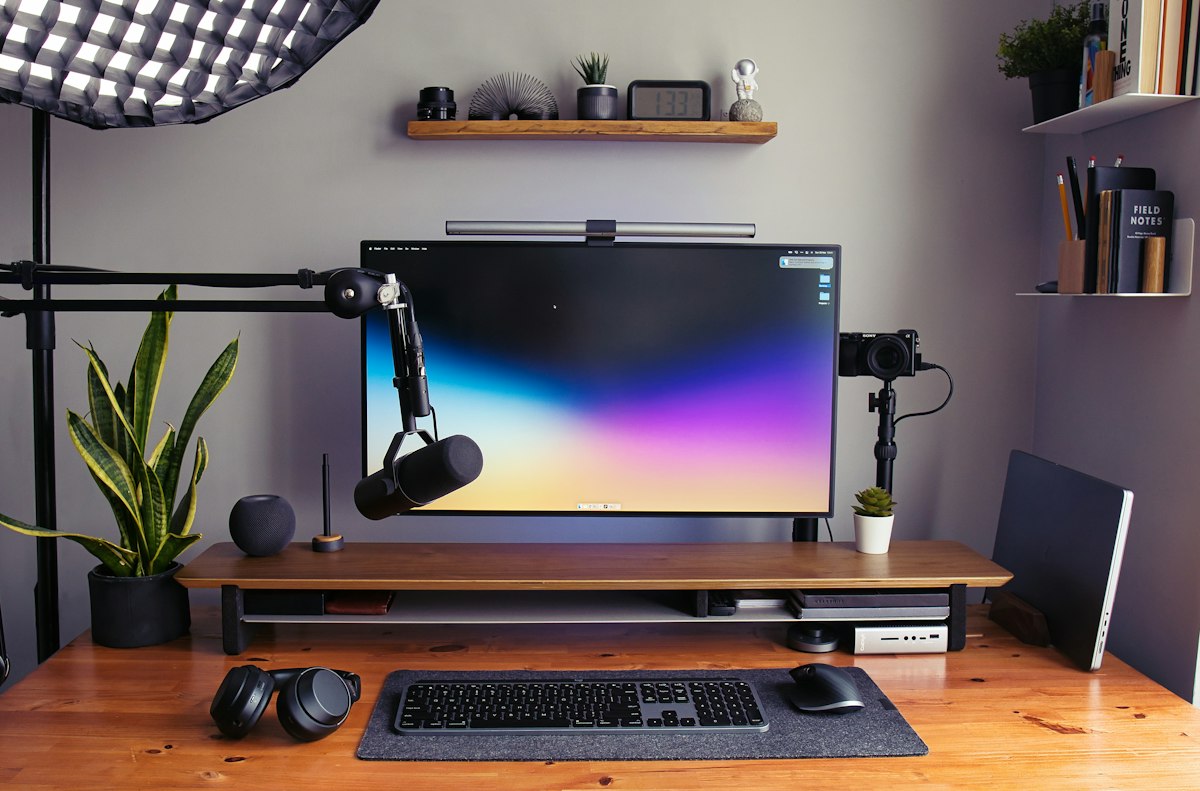
Professional Studio
Layered lighting, executive ergonomic chair, and task-specific workstations designed for intensive work sessions.

Light-Optimized Setup
Strategic window placement, LED task lighting, and anti-glare monitors create an eye-friendly environment.
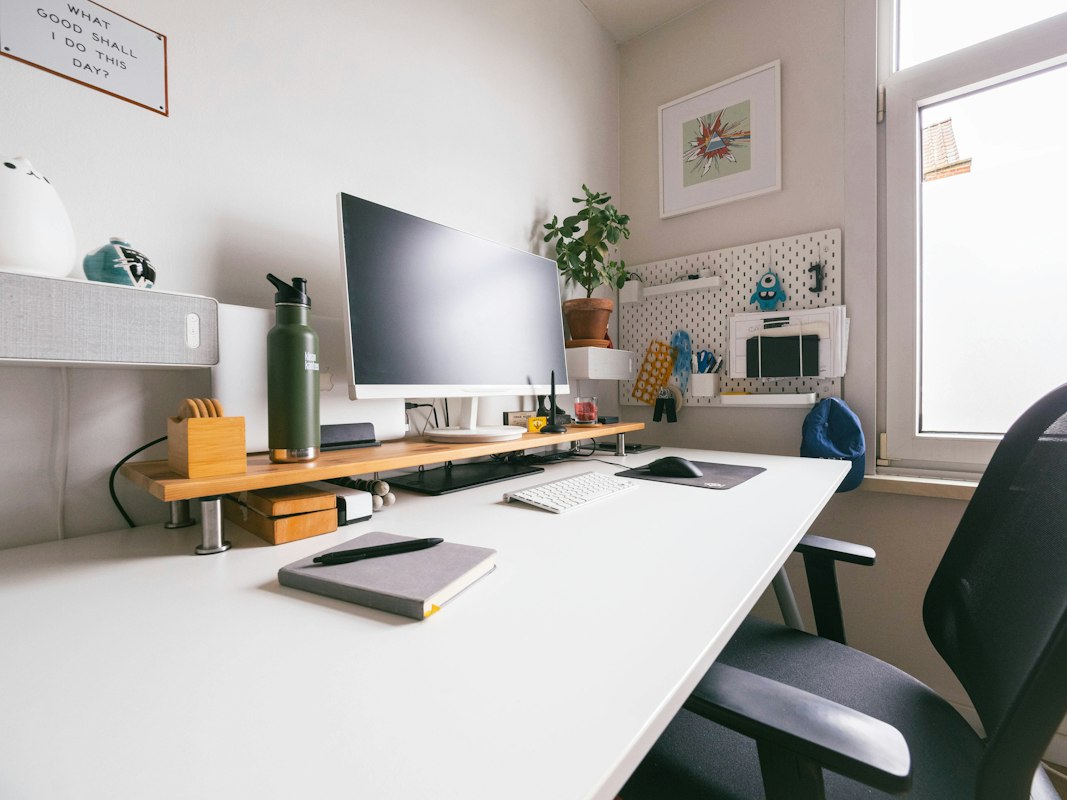
Movement-Focused Design
Standing desk option, movement breaks, and flexible seating to reduce sedentary strain throughout the day.
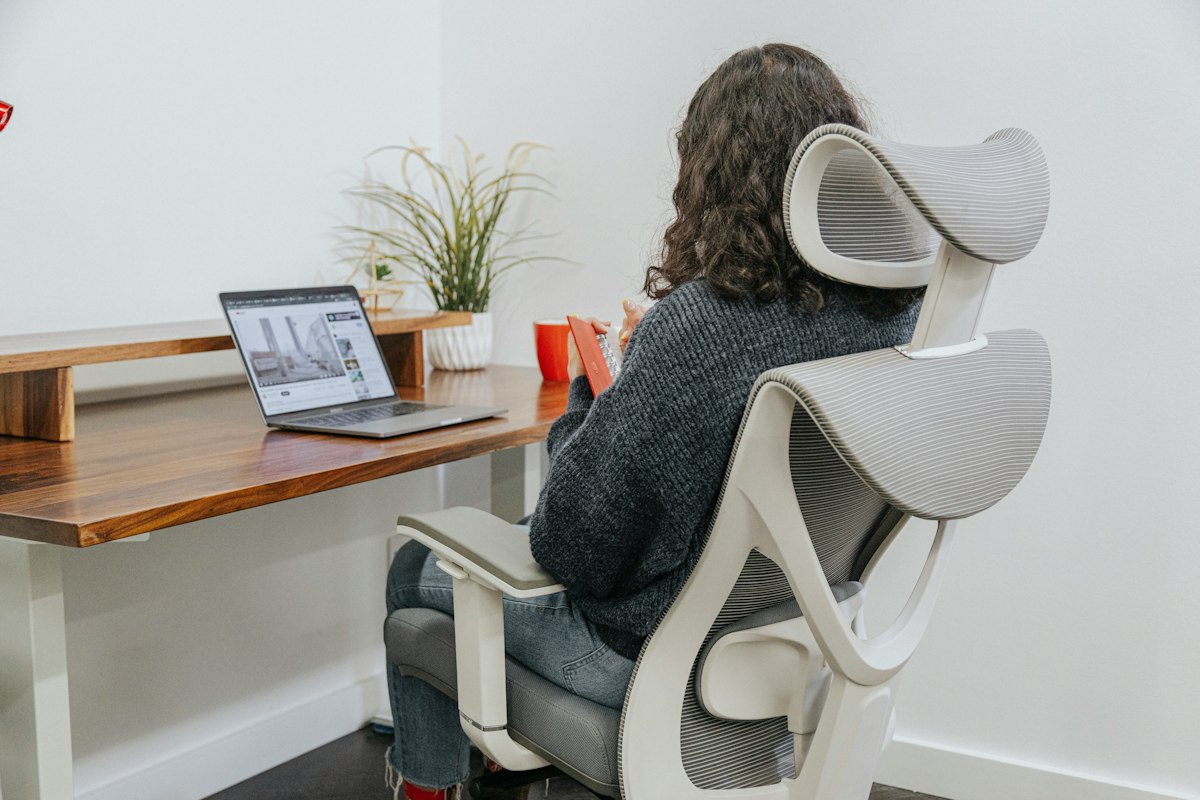
Space-Efficient Layout
Vertical storage, corner desk solutions, and compact ergonomic furniture for smaller rooms without compromise.

Wellness-Centered Space
Natural elements, mood lighting, ergonomic accessories, and air quality considerations for holistic comfort.
Why Choose Workspace Lighting Guide
Our editorial approach to ergonomic workspace design
Evidence-Based Guidance
Our articles are grounded in ergonomic research and design principles, helping you understand the science behind comfortable workspaces rather than just trends.
Practical, Real-World Solutions
We cover solutions for every space size and budget level, from small apartments to large home offices, helping you find what works for your specific situation.
Comprehensive Coverage
From furniture selection and lighting design to equipment positioning and storage organization, we address every aspect of workspace ergonomics in depth.
Regular Updates & New Content
Our editorial team continuously publishes new articles, case studies, and guides as ergonomic standards and product innovations evolve.
The Science of Comfort
Ergonomic workspace design is not just about feeling good—it's about supporting your body's natural alignment and protecting your long-term wellness. When your desk, chair, and lighting are properly configured, your muscles work less, your eyes experience less strain, and your mind stays sharper throughout the day.
Poor ergonomics can lead to chronic discomfort in the neck, shoulders, lower back, and wrists. Our guides walk you through the biomechanics of comfortable positioning, the physics of good lighting, and how to assess your current setup to identify improvement opportunities.
Whether you are setting up a new workspace or optimizing an existing one, understanding these principles empowers you to make informed decisions about furniture, lighting, and equipment placement that truly serve your comfort and health.
Read Furniture Guide
Success Stories from Our Readers
How our content helped transform home workspaces
"The furniture guide helped me understand why my back was always hurting. After following the recommendations, I gradually felt more comfortable and the strain began to lessen. The detailed explanations about lumbar support made it easy to choose the right pieces for my budget."
Maria Santos
Cebu City
"I struggled with eye fatigue from my computer screen for months. Reading the lighting article changed everything. I added a desk lamp with warm LED bulbs and repositioned my monitor away from the window glare. My eyes feel so much better now, and I can actually focus for longer periods."
Ramon Dela Cruz
Quezon City
"As someone working in a small apartment, I thought I couldn't create a proper workspace. The space-efficient layout guide showed me how to use vertical storage and the right compact desk to maximize my tiny bedroom. Now I have a functional office area I'm actually proud of."
Angela Lopez
Manila
Stay Updated
Get new articles and workspace tips delivered to your inbox
Common Questions Answered
Frequently asked topics from our readers
What is the ideal chair height for my desk?
Your chair height should allow your feet to rest flat on the floor with your knees at a 90-degree angle. Your elbows should also be at approximately 90 degrees when your hands are on the keyboard. Most ergonomic chairs offer adjustable height settings to accommodate different desk heights and body proportions. Our furniture guide provides detailed measurements and selection criteria to help you find the right fit.
How much lighting do I really need?
The answer depends on your tasks and natural light availability. Generally, you want enough light to read text comfortably without squinting, combined with task lighting for focused work. Layering ambient light (overhead), task light (desk lamp), and accent lighting creates flexibility. Our lighting guide explains how to measure light levels and avoid glare, with recommendations for different work scenarios.
Can I set up a good workspace in a small space?
Absolutely. Space constraints require smart planning, but proper ergonomics are still achievable. Strategies include corner desks, floating shelves, vertical storage, fold-away surfaces, and multipurpose furniture. Our space-efficient design articles show how to prioritize the most important ergonomic elements—proper seating and monitor positioning—while minimizing footprint through creative solutions.
Is a standing desk necessary?
Standing desks are not essential, but movement variety is important. Whether you use a standing desk, a traditional desk with movement breaks, or a sit-stand combination depends on your preferences and budget. What matters most is avoiding prolonged static posture. Our equipment guide discusses the pros and cons of different desk types and how to incorporate regular movement into your work routine, regardless of your setup.
Start Your Ergonomic Journey Today
Explore our comprehensive guides on furniture selection, lighting design, equipment positioning, and workspace organization. Learn the science behind comfort and create a home office that truly supports your wellbeing and productivity.